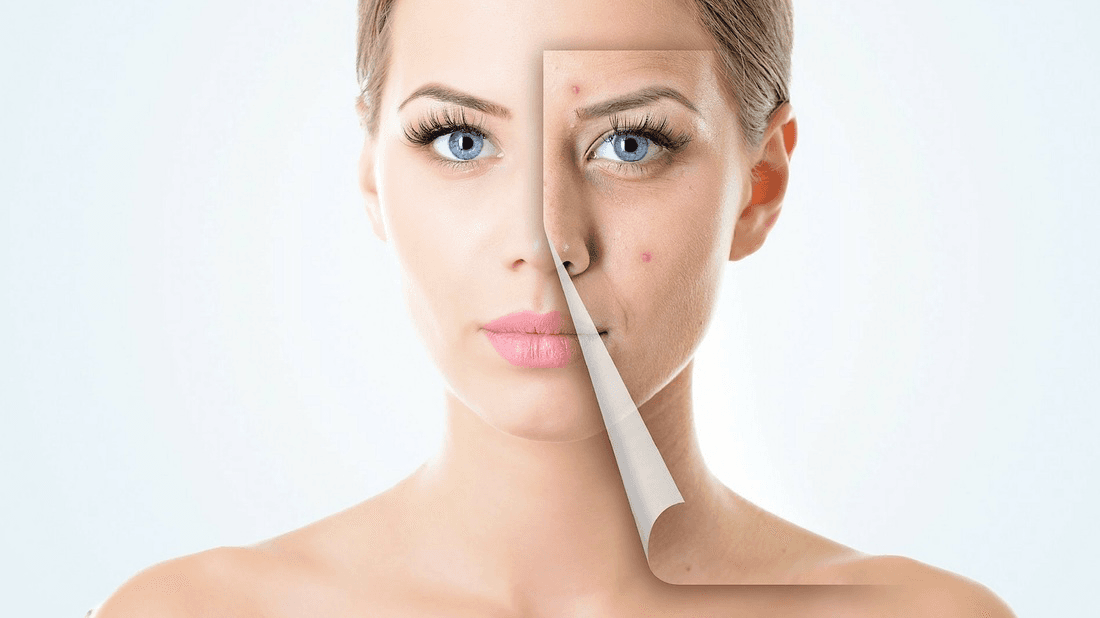
Acne and Nutrition: How Do Our Dietary Choices Affect Skin Health?
Scientific Article | The Nutri Fixers
Acne is one of the most common inflammatory skin conditions, affecting both adolescents and adults. Its development is multifactorial and involves increased sebum production, blockage of hair follicles, inflammation, hormonal changes, and genetic predisposition.
In recent years, scientific interest in the relationship between nutrition and acne has increased considerably. Current evidence suggests that certain dietary patterns may influence acne severity, although diet is not the sole cause of the condition.
1. High-glycemic-index foods and glycemic load
One of the most extensively studied dietary factors in acne is glycemic load. Frequently consuming meals rich in refined carbohydrates and added sugars may lead to more rapid increases in blood glucose and insulin levels.
Elevated insulin levels may influence insulin-like growth factor 1 (IGF-1) signaling, which is associated with sebaceous gland activity and skin cell growth. These mechanisms provide a possible explanation for the relationship between high-glycemic-load diets and acne. Clinical studies have reported improvements in some acne outcomes with lower-glycemic-load diets, although findings are not consistent across all studies.
Foods to include more frequently:
Oats and whole grains.
Legumes, including lentils, beans, and chickpeas.
Whole fruits rather than frequently consumed fruit juices.
Combinations of carbohydrates with protein, fiber, and healthy fats.
Fewer foods high in added sugars, without the need for complete elimination.
2. Dairy products and acne
Some observational studies have associated cow's milk consumption, particularly skimmed or low-fat milk, with a higher prevalence of acne. However, an association does not establish causation, and findings vary across populations and dietary habits.
Evidence regarding yogurt and cheese is less conclusive and does not justify routinely eliminating these foods from the diet. Dairy products provide valuable nutrients, including protein and calcium.
Practical recommendations:
There is no need to eliminate all dairy products because of acne.
If cow's milk is suspected of worsening breakouts, a targeted, time-limited dietary adjustment may be considered with professional guidance and symptom monitoring.
If important sources of calcium or protein are restricted, suitable nutritional alternatives should be provided.
3. Omega-3 fatty acids and an anti-inflammatory dietary pattern
Omega-3 fatty acids, found primarily in oily fish, have been studied for their anti-inflammatory properties. A diet rich in vegetables, fruits, legumes, nuts, and olive oil also provides a wide variety of antioxidants and other nutrients that support overall health.
Although biologically plausible mechanisms suggest that these foods may contribute to the regulation of inflammation, clinical evidence is insufficient to establish specific foods or the Mediterranean diet as proven treatments for acne.
Foods to include regularly:
Sardines, salmon, and other oily fish.
Walnuts, flaxseeds, and chia seeds.
Olive oil as the main added fat.
A variety of colorful fruits and vegetables.
Legumes and whole grains.
4. Whey protein and acne
Whey protein is widely used in dietary supplements and sports nutrition products. Reports and observational evidence suggest a possible association between whey protein consumption and acne in some individuals.
However, the available evidence is insufficient to establish that whey protein causes acne in all consumers. Any potential relationship may be influenced by individual susceptibility, overall dietary patterns, and other lifestyle factors.
Practical approach: If acne developed or worsened after starting a whey protein supplement, a temporary withdrawal and substitution with another appropriate protein source may be considered with professional guidance. There is no evidence-based reason for everyone to avoid whey protein as a preventive measure.
5. Chocolate, sugar, and fatty foods
Chocolate, sweets, and fatty foods are frequently blamed for breakouts. However, the scientific evidence is more complex.
There is insufficient evidence to establish that chocolate alone causes acne in everyone. The overall dietary pattern is important, as products high in added sugars and refined carbohydrates may contribute to a high-glycemic-load diet.
Key takeaways:
Chocolate and favorite sweets do not need to be eliminated.
Frequency, portion size, and the overall dietary pattern matter more than blaming a single food.
A balanced, flexible approach to eating is preferable to unnecessary restriction.
6. How to build a skin-supportive dietary pattern
A balanced dietary pattern may include:
Breakfast: oats with yogurt, fruit, and nuts.
Lunch: fish or legumes with vegetables and brown rice or whole-grain bread.
Snack: fruit with almonds or a balanced protein-containing snack.
Dinner: a vegetable omelet with whole-grain bread, or a legume salad with olive oil.
These suggestions are not a specific therapeutic diet for acne. They are examples of balanced eating that supports nutritional adequacy and may benefit overall metabolic health.
Conclusion
The relationship between acne and nutrition is an active area of scientific research, but it is not yet fully understood. The strongest available evidence concerns the potential influence of high-glycemic-load diets, while findings on dairy products, whey protein, and specific foods remain limited or inconsistent.
The appropriate approach is not to eliminate entire food groups, but to encourage balanced eating, identify possible individual dietary triggers, and avoid unsupported restrictions.
Nutrition can be part of comprehensive skin care, but it does not replace appropriate dermatological treatment. Persistent, painful, scarring acne or acne that significantly affects confidence and psychological well-being should be assessed by a dermatologist. Evidence-based treatments are available and should be selected according to each individual's severity and needs.
Επιστημονική βιβλιογραφία | Scientific references
Editorial note for The Nutri Fixers: This article reflects current evidence and distinguishes possible dietary associations from proven causes or treatments. It is intended for general educational purposes and does not replace individualized nutritional or medical advice.