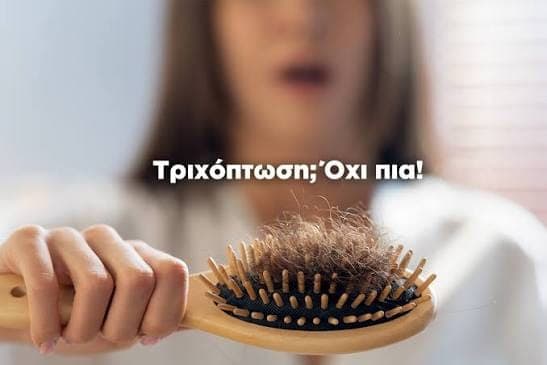
Hair Loss and Nutrition: How Dietary Habits Influence Hair Health
Healthy hair depends on more than external care. It also relies on adequate energy intake and nutritional status. Nutrition plays an important role in normal hair growth, while certain nutrient deficiencies, restrictive diets and inadequate protein or calorie intake may contribute to increased hair shedding.
Understanding the potential causes of hair loss is the first step towards an effective, evidence-based approach.
What Is Hair Loss, and When Is It Considered Normal?
Hair grows through a natural cycle consisting of three main stages: anagen, the active growth phase; catagen, the transitional phase; and telogen, the resting phase, after which the hair is shed and eventually replaced.
Losing approximately 50–100 hairs per day is generally considered normal. However, noticeably increased shedding, diffuse thinning or the appearance of bald patches may indicate a condition that requires further investigation.
One common form of diffuse hair shedding is telogen effluvium. It may develop following significant physical or psychological stress, a febrile illness, surgery, childbirth or substantial weight loss. Increased shedding often becomes noticeable several weeks to months after the triggering event.
Seasonal variations in hair shedding are also frequently reported, although their extent and duration vary between individuals. Persistent or severe hair loss should not automatically be attributed to seasonal changes.
How Does Nutrition Affect Hair Loss?
Hair follicles are metabolically active structures that require adequate energy, protein, vitamins and minerals to function normally. When nutritional intake is insufficient or a specific nutrient deficiency develops, the hair growth cycle may be affected.
1. Inadequate Protein Intake
Hair consists primarily of keratin, a structural protein. Adequate dietary protein is therefore important for normal hair growth and tissue renewal.
Very low protein intake, prolonged restrictive dieting and protein-energy malnutrition may contribute to increased hair shedding.
Dietary sources of protein include:
Eggs, fish and seafood.
Poultry and other meats.
Milk, yoghurt and cheese.
Legumes, soybeans and soy products.
Nuts and seeds as part of a balanced diet.
Individual protein requirements depend on body weight, age, physical activity and overall health.
2. Iron and Ferritin
Iron is essential for oxygen transport and numerous cellular processes. Low iron stores have been associated with certain forms of diffuse hair loss, particularly in individuals with increased blood loss or inadequate dietary iron intake.
Ferritin is commonly used to assess iron stores. However, its results require careful interpretation because ferritin can also increase in response to inflammation and other conditions.
Dietary sources of iron include:
Red meat and seafood.
Lentils, beans and chickpeas.
Tahini, seeds and selected green leafy vegetables.
Iron-fortified foods, where available.
Vitamin C consumed alongside plant-based sources of iron can improve iron absorption.
Iron supplementation should not be started routinely without an established clinical need, as excessive intake can cause adverse effects.
3. Zinc
Zinc contributes to protein synthesis, cell division and the normal function of various tissues, including hair follicles.
Zinc deficiency may be associated with hair loss. However, supplementation has not consistently demonstrated benefits in individuals who already have adequate zinc levels.
Good dietary sources include seafood, meat, dairy products, legumes, nuts and seeds.
4. Vitamin D
Vitamin D supports several important physiological functions and helps regulate cellular processes. Low vitamin D levels have been observed in some groups of individuals experiencing hair loss.
However, an association does not necessarily establish that vitamin D deficiency is the underlying cause, nor does supplementation guarantee hair regrowth.
Dietary sources include fatty fish, egg yolks and fortified foods. When deficiency is suspected, assessment and appropriate management should be guided by a healthcare professional.
5. Biotin and Other Vitamins
Biotin, also known as vitamin B7, is involved in the metabolism of macronutrients. True biotin deficiency can cause hair loss, but it is relatively uncommon in individuals consuming an adequate and varied diet.
Current evidence does not strongly support the use of additional biotin to improve hair growth in people who are not deficient.
Furthermore, excessive intake of certain micronutrients, including vitamin A and selenium, may worsen hair loss. High-dose biotin supplements can also interfere with the accuracy of certain laboratory tests, including some thyroid hormone assays.
Can a Restrictive Diet Cause Hair Loss?
Yes. Prolonged inadequate energy intake and rapid weight loss can trigger increased hair shedding.
When the body does not receive enough energy and essential nutrients, it may alter how available resources are allocated, potentially affecting the normal hair growth cycle.
This is particularly relevant in cases involving:
Very low calorie intake.
Rapid or substantial weight loss.
Prolonged exclusion of entire food groups.
Poorly balanced dietary plans.
Insufficient intake of protein, iron or other essential nutrients.
A balanced approach to weight management that provides adequate energy and nutrients is preferable to restrictive dieting.
How Can Nutrition Support Hair Health?
Nutritional support does not depend on a single food or supplement. It is based on an overall balanced dietary pattern.
Adequate energy intake: Avoid prolonged and excessive calorie restriction.
Daily protein intake: Include appropriate protein sources in main meals.
Dietary variety: Eat fruits, vegetables, legumes, whole grains, nuts and sources of unsaturated fats.
Adequate iron and micronutrient intake: Prioritise dietary variety and investigate potential deficiencies when clinically indicated.
Gradual weight loss: Choose an individualised plan that preserves nutritional adequacy.
Consistent dietary habits: Sustainable habits over time are more valuable than short-term, extreme interventions.
It is important to recognise that nutrition supports normal hair follicle function but cannot independently address every cause of hair loss.
When Should Hair Loss Be Evaluated by a Specialist?
Hair loss may be related not only to nutrition but also to hereditary factors, hormonal changes, thyroid disorders, inflammatory or autoimmune conditions, medication use and other medical conditions.
Dermatological assessment is particularly important when hair loss is severe, persistent, sudden or accompanied by distinct bald patches, scalp irritation or pain.
Depending on the medical history and clinical findings, a healthcare professional may recommend selected investigations, such as a complete blood count, ferritin, iron studies, thyroid function tests or other relevant markers. The same investigations are not necessary for every individual.
An individualised nutritional assessment can help identify potential dietary inadequacies and guide an appropriate nutrition plan, in collaboration with the treating physician when necessary.
Conclusion
Hair health is an important component of overall health. Adequate energy, protein, iron, zinc and other essential nutrients support normal hair growth, whereas restrictive diets and inappropriate supplementation may have the opposite effect.
The goal is not to find a “miracle” supplement, but to identify the underlying cause and address the body’s actual nutritional and medical needs.
Evidence-based nutritional support, combined with appropriate medical assessment, provides a valuable foundation for maintaining hair health.
Scientific References
American Academy of Dermatology — Hair Loss: Causes
American Academy of Dermatology — Hair Loss: Tips for Managing
Guo EL, Katta R. Diet and hair loss: Effects of nutrient deficiency and supplement use. Dermatology Practical & Conceptual. 2017;7(1):1–10. Available on PubMed Central
National Institutes of Health, Office of Dietary Supplements — Biotin: Fact Sheet for Consumers
This article is intended for educational purposes only and does not replace individualised medical assessment or nutritional counselling.